How what you eat in the postnatal period can support your mental health (By ‘Nutrition by Ellie’)
Each month, The Know Mama will showcase a guest writer on the blog. A chance to either prepare during pregnancy by researching and reading advice which is expert led and easy to remember. As well as in the postpartum period itself, where straight to the point is needed due to lack of time and energy.
For this blog post, Ellie Hearn from Nutrition by Ellie writes an in-depth, knowledgeable post. You can find all her links at the bottom of the post, and a chance to sign-up with Ellie to receive a free 20 minute consultation call to really commit to high quality nutritional advice when our bodies crave it the most.
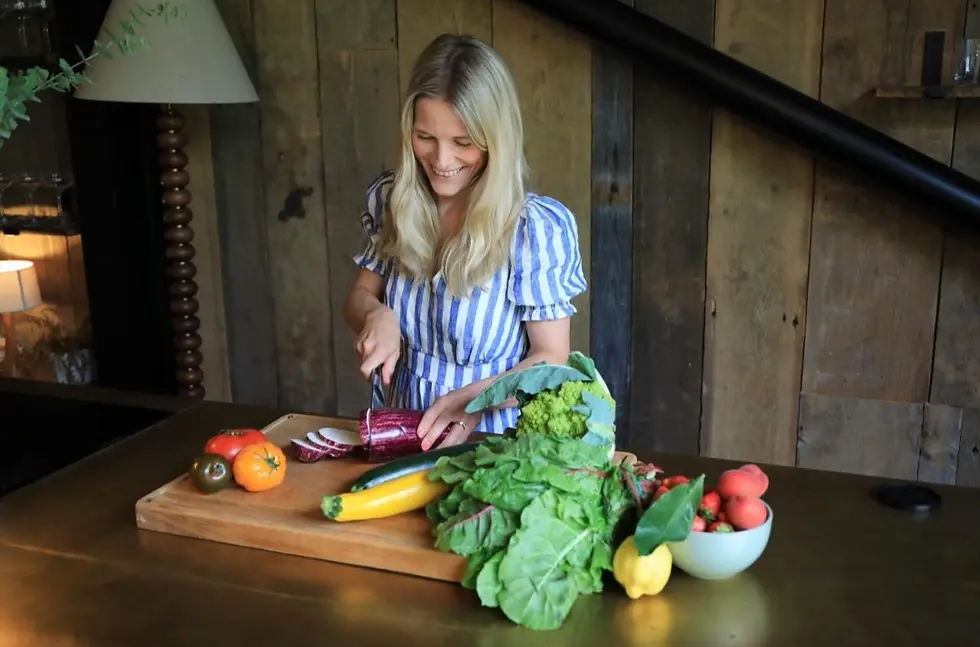
Written by Ellie Hearn (Nutritional Therapist for mums at Nutrition by Ellie)
Early motherhood can be such an emotional rollercoaster, especially if you’re a first time mum. So much in your life has changed and it can feel overwhelming. You’ve been through pregnancy and birth, and now you’re caring for a tiny human who needs you for everything. It’s a lot.
It’s easy to forget about looking after yourself when all your focus is on your baby. But the postpartum period is a time of huge physical & emotional change and it is so important to recognise that. Treat yourself with compassion and make time to support your recovery.
At Nutrition by Ellie, I help nourish and nurture mums so they don’t have to keep running on empty. My approach focuses on making simple shifts to food, sleep, stress & movement, to help you feel like yourself again.
Fix the basics
Getting the foundations right is one of the most important things you can do.
You don’t need to make elaborate meals or spend hours in the kitchen (this is not the season for that). But staying well hydrated and eating balanced meals & snacks can make a huge difference to how you feel.
Even mild dehydration can increase anxiety. Aim for around 2 litres of filtered water daily, including herbal teas, more if you are breastfeeding. Calming teas such as chamomile, lemon balm or passion flower can be lovely and supportive for your nervous system.
Not eating regularly enough can affect your blood sugar levels, leaving you feeling anxious or irritable. Eating balanced meals helps keep your energy and mood more stable throughout the day.
Pregnancy, childbirth and breastfeeding all take a lot out of you, so your body may need some extra nutritional support during this time. In those early postpartum days, your body’s working hard to recover and keep you going, so nourishment really matters.
Try to eat 3 meals a day, with snacks if needed. A balanced plate typically includes:
- Protein (palm-size portion of protein) e.g. eggs, tofu, chicken, salmon, beans/pulses, organic grass-fed red meat
Vegetables (2 open handfuls) for fibre & antioxidants
Wholegrains or starchy carbohydrates (one clenched fist) for slower release energy
Healthy fats (thumb size portion) such as nuts/seeds/avocado/olive oil
Meals don’t have to be complicated. Quick stir fries, tray bakes or slow cooker meals can be lifesavers. Batch cooking when you can and leaning on your support network for help can also make a big difference.
Nutrients to support mental health
Once those foundations are in place, there are a few key nutrients that can be especially helpful for mental wellbeing after birth.
This isn’t about restriction or cutting things out. It’s about gently adding in foods that help your body and mind recover. Your body has just done something incredible and you deserve to feel nourished & supported.
Omega-3 fatty acids
Benefits: DHA (a type of omega-3) supports brain function and mood. Studies show that higher DHA levels are linked with a lower risk of postnatal depression. During pregnancy, your baby draws on your DHA stores to support their own brain development, which can leave you depleted. So it’s important to include enough omega-3 in your diet to replenish those stores.
Sources: oily fish (salmon, sardines, mackerel, anchovies, herring), flax seeds, chia seeds and walnuts. If you don’t eat oily fish, an algae oil supplement can be beneficial. Note: if taking anticoagulants or blood pressure medication do not add omega-3 without consulting a medical professional.
2) Vitamin D
Benefits: Supports brain health and mood by helping regulate serotonin. During pregnancy & breastfeeding, your stores can drop as your body prioritises your babies needs, leaving you more vulnerable to deficiency and low mood.
Sources: mostly from sunlight, small amounts also found in mushrooms & eggs but it’s difficult to get enough from food alone. The NHS recommends that everyone takes a 10mcg supplement daily from October to March (more if you are deficient).
3) Zinc
Benefits: Supports a healthy stress response and helps produce mood-regulating brain chemicals like serotonin and dopamine. It also supports the immune system and tissue repair, both crucial in early motherhood. Low zinc levels have been linked to higher rates of postnatal depression, and stress can further deplete your stores.
Sources: seafood & fish, lean red meat, poultry, nuts, seeds, lentils, chickpeas, oats, eggs.
4) Magnesium
Benefits: Helps regulate the nervous system and supports restful sleep. Low levels have been linked with anxiety, irritability and low mood and it’s easily depleted by stress, caffeine and poor sleep. Boosting your intake can help restore balance and calm.
Sources: green leafy vegetables (spinach, chard, kale), nuts & seeds (pumpkin, sesame, sunflower, pistachio, cashew, almonds, peanuts), pulses & beans (lentils, kidney beans, soya beans), bananas, avocados.
5) B-vitamins
Benefits: B vitamins (especially B6, B12 and folate) are vital for energy production and the creation of neurotransmitters that influence mood, such as serotonin and dopamine. Low can contribute to fatigue, low mood and difficulty coping with stress; all common in the postnatal period. They also work closely with magnesium and zinc support brain function and mental well-being.
Sources: avocado, beans, lentils, eggs, nuts, seeds, wholegrain (oats, quinoa, brown rice). For those following a vegetarian or vegan diet, a B12 supplement is usually recommended.
Stress, sleep & movement
It’s not all about food. Sleep, stress & movement also have a huge impact on how you feel.
Sleep deprivation is almost inevitable with a new baby. While you can’t control how long you sleep, you can focus on improving the quality. Try creating a calm sleep environment, getting a really early night a few times a week, reducing screen time before bed and keeping caffeine to earlier in the day. Small things like a warm bath, reading a few pages of a book or a short breathing exercise can really help you unwind.
Movement also supports mental well-being. It doesn’t have to be a gym session or a yoga/pilates class. It can be as simple as a few stretches on the rug at home while your little ones are playing or napping, or a short walk outdoors. Fresh air and daylight are incredibly powerful mood boosters.
Finally, stress management. Motherhood is amazing but it can also be overwhelming and isolating. Taking small moments for yourself, a few deep breaths in the shower, five minutes outside or chatting with another mum who gets it, can make a huge difference. Communities like The Know Mama are wonderful for connection and support.
Further support
If you’re feeling a bit lost in motherhood, exhausted no matter how much rest you get, overwhelmed by what to eat, or running on empty and living off coffee & cake just to get through the day, then I’m here to support you.
My 1:1 nutritional therapy programmes are designed by a mum, for mums. They focus on simple, realistic shifts to help you eat better, boost your energy and feel more like yourself again. I offer a 12-week programme (including hair mineral testing to identify postnatal nutrient imbalances) and a 6-week reset option for shorter-term support. Bespoke packages are also available.
Book your free 20-minute discovery chat to find out how I can support you.
Ellie x
Website: www.nutritionbyellie.co.uk
Instagram: @nutrition_by_ellie
Email: ellie@nutritionbyellie.co.uk

Ellie is a registered nutritional therapist specialising in supporting mums with realistic, family-friendly nutrition and self-care support. As a mum herself, she knows how easy it is to put yourself last and how transformative it feels when you finally start looking after yourself again.

Comments